
Written by Harriet Kirkpatrick

The People Side of Digital Transformation: What Operating Models Miss
Written Tuesday, 3rd March 2026
Digital transformation strategies tend to begin with structure. New operating models.

Date Posted: Tuesday, 3rd March 2026
Digital transformation strategies tend to begin with structure. New operating models. Revised governance. Product-based teams. Agile at scale. Updated architecture. The diagrams are thorough, the rationale is sound, and the investment is substantial.
Yet despite robust planning, many programmes stall well before they deliver sustained value.
The issue is rarely the diagram. It is the people behind it.
There is no shortage of content about digital transformation skills, culture, and leadership. What is consistently underexamined is the structural gap between operating model design and parallel people design. When those two workstreams fall out of alignment, even the most carefully constructed model collapses under execution pressure. For CIOs, COOs, organisational design leaders, and change sponsors, this is not a soft issue. It is a delivery risk.
An operating model defines how value is created and delivered. It clarifies accountabilities, processes, governance, and capability boundaries. What it does not do is guarantee that any of those things will function as intended.
The model assumes one critical condition: that the right people, with the right capabilities and the right incentives, will behave in ways that align with its design. That assumption is where transformation programmes most commonly begin to fracture.
The symptoms tend to be recognisable:
The operating model describes what should happen. The people system determines what actually does.
Transformation failure is rarely sudden. It is cumulative, and it follows predictable patterns when organisations redesign structure without redesigning their people systems in parallel.
Capability gaps hidden by structure
A new model typically requires roles that did not previously exist in meaningful numbers: product owners, enterprise architects, transformation programme leaders, change delivery specialists, data governance leads. If those roles are filled by individuals who lack genuine transformation experience, delivery slows immediately. This is not a performance issue. It is a design flaw.
The hiring decisions made in the early stages of a programme set its trajectory. Change management recruitment is frequently treated as an afterthought rather than a core workstream, yet these appointments shape how well the operating model actually functions under pressure. Bringing in the wrong person at programme director level, or leaving a critical change lead vacancy open for three months, creates a gap that technology investment alone cannot close.
Leadership misalignment across the spine
Transformation demands alignment from executive layer to operational delivery. Where senior leaders advocate agility but middle managers are measured on functional control, friction appears. Where the CIO promotes platform thinking but delivery teams are incentivised for local optimisation, silos re-emerge.
Operating model diagrams rarely account for incentive design, performance management, or behavioural reinforcement. Without intentional leadership calibration alongside structural reform, the new model sits on top of old behaviours. Recruiting leaders who have navigated this tension before, and who understand how to operate effectively within a transformation context, is one of the few reliable ways to shorten it.
Culture does not follow structure
Culture shifts when behaviours change. Behaviours change when leadership expectations are clear, skills are reinforced, accountability is visible, and success is rewarded. A new governance framework does not automatically alter how decisions are made.
If an organisation does not invest in change delivery talent, coaching capability, and transformation communication leadership, old habits persist beneath new labels. The org chart changes. The culture largely does not.
High-performing organisations treat transformation as two interdependent workstreams: operating model and technology architecture on one track, and people architecture and capability design on the other. These must move together. When one advances significantly ahead of the other, the programme begins to pull apart.
A people architecture lens asks a different set of questions than a model redesign does:
This is where strategic recruitment partners play a structural role, not a transactional one. The value is not in filling vacancies. It is in helping organisations identify which capabilities are programme-critical, when they are needed, and how to secure them before the gap becomes a delivery problem.
Too often, hiring is reactive to programme slippage. A phase stalls, pressure builds, and recruitment becomes an emergency response rather than a planned intervention. The costs of that dynamic are well understood: slower onboarding, misaligned hires, and lost momentum at precisely the moment it matters most.
Transformation workforce planning should instead answer the structural questions upfront:
This dependency map between technology and people is worth dwelling on. Organisations frequently plan technology rollout in detail while leaving recruitment timelines vague. The result is that platforms go live before adoption teams are in place, or governance structures are activated before anyone with the authority and experience to run them has been hired. Technology recruitment strategy and change capability hiring need to be planned in parallel with the technology programme itself, not scheduled around it.
Organisations that neglect this dimension tend to experience delayed programme phases, increasing contractor dependency without meaningful knowledge transfer, and executive fatigue from repeated course corrections. These are not isolated problems. They are the compounding result of treating talent as a downstream activity.
Operating model redesign is visible. It produces diagrams, town halls, and tangible artefacts. It feels decisive, and it is relatively straightforward to communicate.
People design is slower and less visible. It requires difficult conversations about leadership gaps, external hiring for sensitive roles, succession decisions, capability audits, and genuine cultural challenge. Because it is harder, it is frequently deferred.
The cost of that deferral rarely shows up in year one. It appears in year two and three, when:
At that point, organisations typically seek emergency transformation programme hiring to stabilise delivery. The talent market responds, but urgency carries a price: compressed timescales, reduced candidate pools, and hires made under pressure rather than with precision. The better approach is intentional capability design from programme inception, treated with the same rigour as technology architecture.
Senior leaders who want to assess the people risk within their transformation programmes should be applying sharper questions than most programme dashboards invite:
If the answer to several of these is unclear or uncomfortable, the transformation risk profile is almost certainly higher than the operating model suggests.
Recruitment in transformation contexts is not volume hiring. It is precision hiring, and the stakes at each critical appointment are disproportionate to the numbers involved.
The roles that tend to determine programme trajectory most significantly include:
Each of these hires influences delivery in ways that extend far beyond their immediate remit. A strong enterprise architect shapes technical decisions for years. A credible programme leader retains stakeholder confidence through difficult periods. A weak appointment in either role is rarely recoverable without significant cost.
What makes transformation hiring genuinely difficult is that the market for experienced change leaders is tight, and the profiles that look credible on paper often fall short in practice. Assessing whether a candidate has real transformation experience, as opposed to project management experience dressed up as transformation leadership, requires a level of domain knowledge that generalist recruitment cannot reliably provide. This is equally true in technology recruitment, where the most commercially valuable hires are those who can operate at the intersection of technical delivery and organisational change, and who are consequently in high demand and short supply.
The cost of a mis-hire at this level is measured not just in salary, but in delayed delivery, rework, and the erosion of stakeholder confidence that is very difficult to rebuild once lost.
The most resilient transformation programmes treat talent as a standing agenda item within their governance structure, not a periodic report from HR. Talent strategy sits alongside technology delivery and change adoption as a visible thread in programme oversight.
In practice, that integration looks like:
When talent strategy becomes part of delivery governance, capability gaps are identified before they become delivery blockers. The shift is from reactive sourcing to proactive workforce design, and it is one of the more consequential operational improvements a transformation programme can make.
Digital transformation is not a project. It is a capability shift, and it plays out over years rather than quarters.
Operating models provide scaffolding. Technology enables scale. But people deliver outcomes. For UK enterprises navigating complex change programmes, the question is no longer whether to transform. It is whether transformation capability has been designed with the same rigour as system architecture.
When people strategy is treated as foundational rather than supportive, three shifts follow. Delivery pace improves because capability matches ambition. Cultural resistance reduces because leadership alignment strengthens. And long-term value materialises because knowledge embeds internally rather than leaving with the contractors.
Transformation is sustained not by frameworks, but by capability density.
What does "digital transformation people strategy" mean in practice? It refers to the leadership capabilities, workforce planning, and cultural alignment required to deliver digital transformation successfully. It goes beyond structural redesign to ensure the right capabilities and behaviours exist to execute change at each phase of the programme.
Why do operating model changes often fail to deliver sustained value? Operating models define structure but do not guarantee capability. Without parallel people design, leadership alignment, and experienced change delivery talent, structural reform lacks the execution power to take hold. The model may be sound; the system that runs it often is not.
How important is change management recruitment in transformation programmes? It is critical. Specialist change management recruitment ensures organisations have experienced transformation leaders who understand adoption, stakeholder management, and behavioural shift, not just process redesign. Hiring the wrong person into a critical transformation role is one of the most costly and least recoverable mistakes a programme can make.
What is transformation programme hiring? Transformation programme hiring involves recruiting experienced leaders and specialists to design, govern, and deliver large-scale change initiatives. This typically includes portfolio leaders, enterprise architects, digital change leads, and organisational design consultants.
How does workforce planning support digital transformation? Digital transformation workforce planning aligns talent capacity to programme phases rather than financial year cycles. It ensures the right skills are available at the right time, preventing the delays, team burnout, and reactive hiring that erode delivery performance over time.
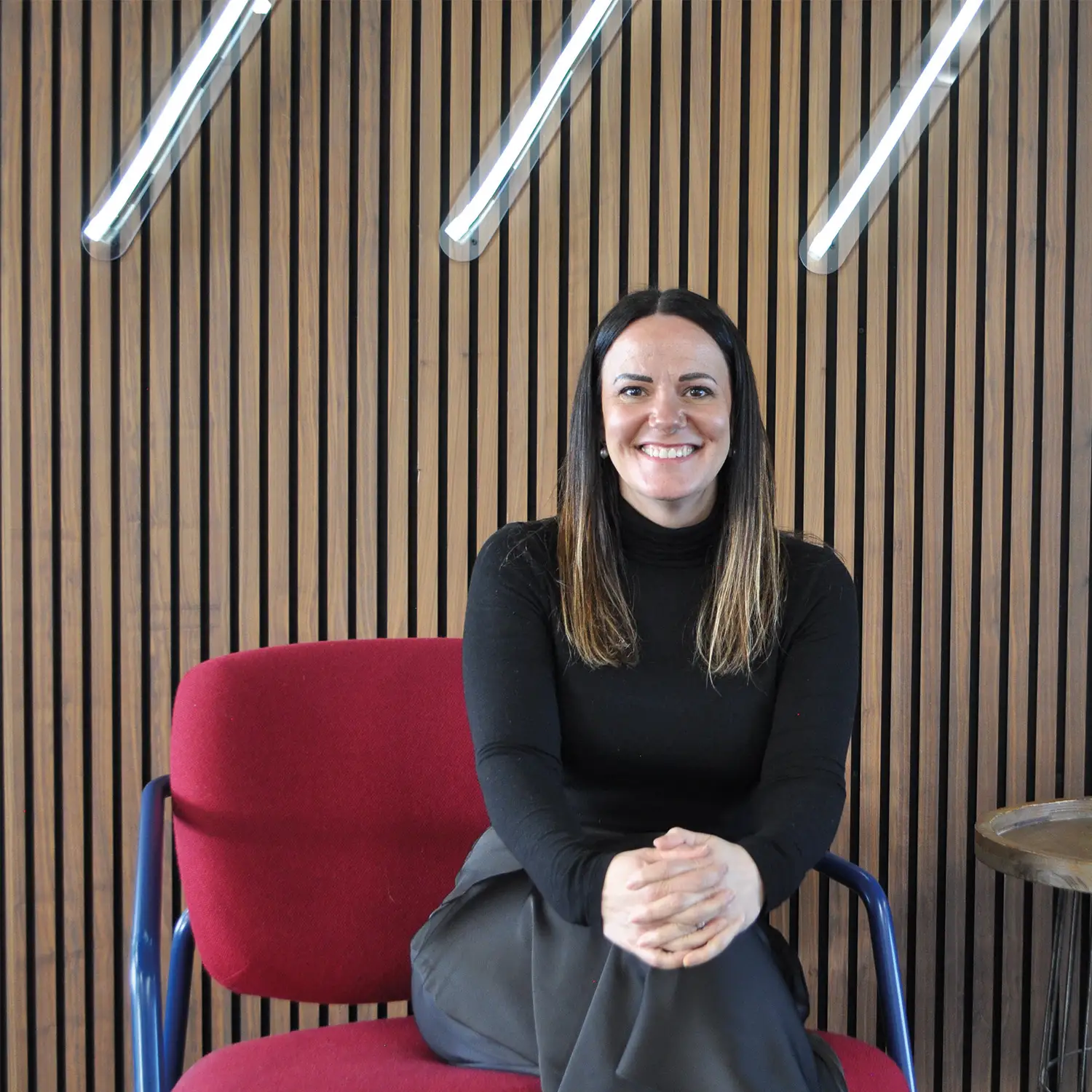
As a founder of TRIA, Harriet is proud of the company's impact in transforming recruitment through strategic insight and deep market understanding. Her leadership style is characterised by a focus on sustainable growth and the development of long-term client relationships.
Connect on LinkedIn
Written by Harriet Kirkpatrick
Written by Sean Hanly

Written by Tim Donaghy